













Needlecraft 101 | Beginner-Friendly Needlecraft
|
Time to read 4 min
Country


Contains a preorder item — your whole order will be held in our warehouse and shipped together once it's ready.


|
Time to read 4 min
"Needlecraft" is the umbrella term for anything you make with a needle, thread, and fabric or canvas — and at Craft Club, that covers more ground than you'd think: embroidery, cross stitch, half stitch, and tapestry needlepoint all live under one roof. If you've never picked up a needle before, the range can feel like a lot to choose from. Here's how the beginner-friendly needlecraft techniques differ, what's actually in the box, and where to start.
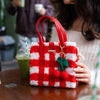
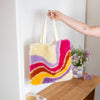
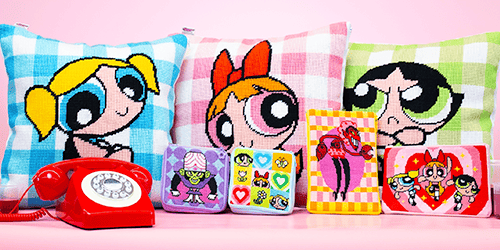
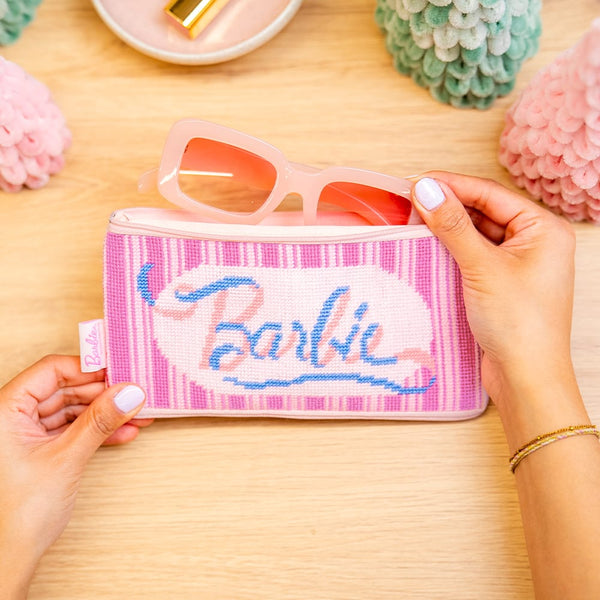
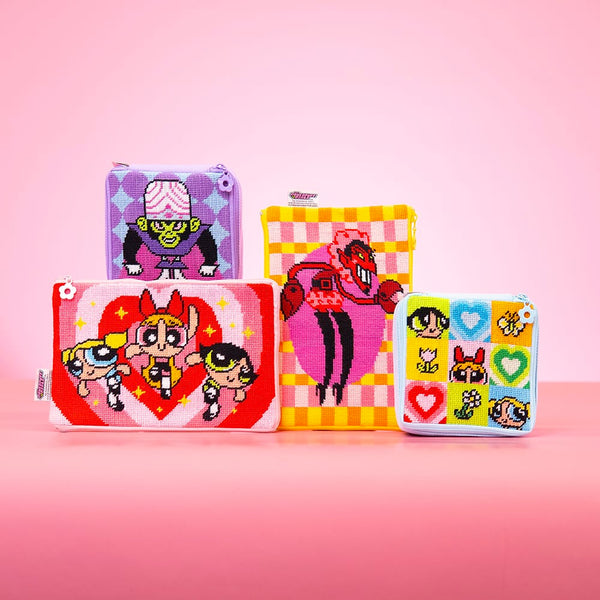
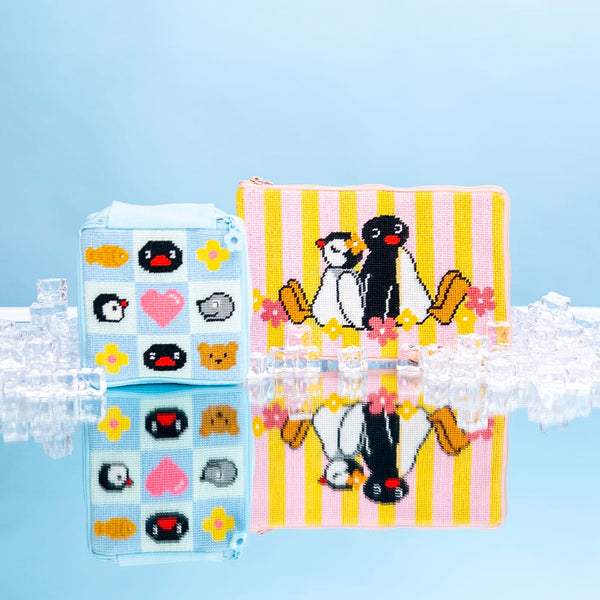
Half stitch, sometimes called needlepoint or tent stitch, uses a single diagonal stitch instead of a full X.
It's what you'll find in our beginner-friendly needlecraft pouch kits — quicker to work up than a full cross stitch because each stitch does less "work," which makes it a genuinely easy entry point for a first project.
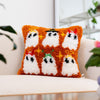
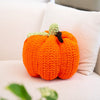
Tapestry needlepoint is another beginner-friendly needlecraft and is similar to half stitch, just on a larger scale.
It will take more time than a half stitch pouch as it's larger, but that's the only difference. The stitch technique is exactly the same and is a perfect starting point for people with more time.
Cross stitch is the most recognisable beginner-friendly needlecraft: two diagonal stitches crossed to form an X, repeated to build up a picture. It's the craft Craft Club was founded on, and it's genuinely one of the most beginner-friendly needlecrafts to learn — the stitch itself never changes, just the colour and placement.
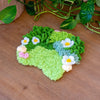
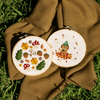
Embroidery is the most varied of the four beginner-friendly needlecrafts. Rather than one repeated stitch, you're working with a small toolkit of stitches — lazy daisy stitch, back stitch, French knots, satin stitch, woven wheel roses, whipped back stitch — to build texture and detail. It has a slightly higher learning curve than cross stitch or half stitch, but it also gives you the most room to express your own style once you've got the basics down.
If you've never threaded a needle in your life, start with a half stitch pouch kit. Ours are labelled Total Beginner for a reason: a single technique, a pre-printed design already marked on the pre-sewn pouch, so there's no counting involved. The Duck, Duck, Goose and Gingham Butterfly pouch kits are good beginner-friendly needlecraft kits to look at first — small enough to finish without losing momentum, and useful enough that you'll actually carry the thing when you're done.
From there, a cross stitch minis — like Pot Plant Minis or Cozy Cottage Minis — is a natural second project. Same beginner-friendly needlecraft logic, slightly more detail. An added bonus of the minis is that the kits are three-in-one, and the designs are small enough to get in the groove without feeling overwhelmed.
If you want to ease into embroidery, look for a beginner-friendly needlecraft kit with smaller elements rather than a larger design. Kits like Woodland Wonder or Wildflower are designed for bite-sized stitching rather than an hours-long commitment.
Every beginner-friendly needlecraft kit on our site is labelled by difficulty (Total Beginner, Beginner Friendly, or Creative Explorer) and by time commitment (Quick Make, Week Long Project, or Slow & Steady). Two more labels are worth checking before you buy: Pre-Printed Design means the pattern is already marked on your fabric, which is easier to follow; Counted Pattern means you're working from a gridded chart, which takes a bit more concentration but gives you more flexibility. Single Technique kits stick to one stitch throughout; Multiple Techniques kits mix things up once you're ready for it.
Start with Total Beginner, Pre-Printed Design, Single Technique — and graduate from there.
Every beginner-friendly needlecraft kit from Craft Club comes with:
Nothing is sold separately — there's no follow-up trip to a craft store to find the one shade of thread you're missing. You open the box, and everything you need is already there.

The four beginner-friendly needlecrafts
The differences between them
Where is best to start for a total beginner
Browse the full Needlecraft Kits collection or start smaller with the Half Stitch range. Want more than one project lined up? Check out our Needlecraft Bundles to stock up for a few weeks of stitching at once.
Yes! All of our craft kits are designed to be beginner-friendly. We believe that creativity is for everyone and want to give people the confidence to find their creative side.
Yes, needlecraft and needlework are the same. Both terms are used to describe the category of craft that requires a needle to create. Think embroidery, cross stitch, tapestry, crochet, etc.
It depends! Our cross stitch and embroidery kits are all beginner-friendly. While cross stitch has a single and easy to master technique, the patterns aren't printed on the fabric. Embroidery, on the other hand, has the pattern printed, but has more than one technique to learn. Either way, we have comprehensive tutorials to guide you.
Our Mission
To empower everyday people — no matter their experience — to express themselves through craft, and find their own mindfulness in the process! 🥰 We aim to create a world where anyone can feel confident and equipped to explore creativity. By making craft accessible and valued, we want to create a culture that recognises craft as artistry and utilises creativity as a tool for improving mental health. 🧠


